Sunday, November 3, 2019

Blair's 2nd week update - Thailand

Blair Edmiston's Week 2 Update - Chiang Mai, Thailand

Week 2 Chiang Mai Update


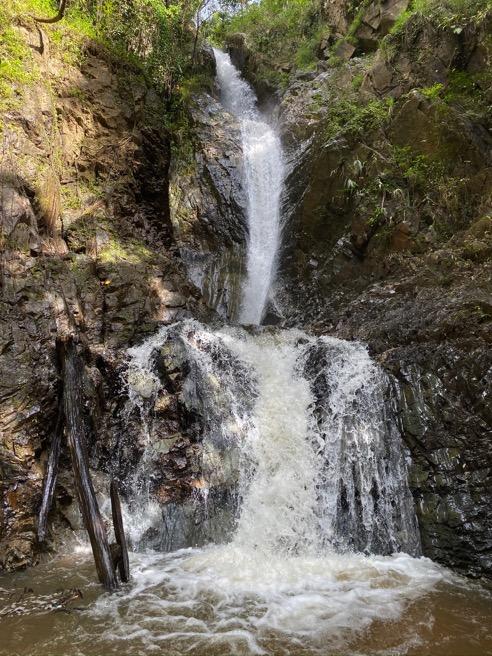
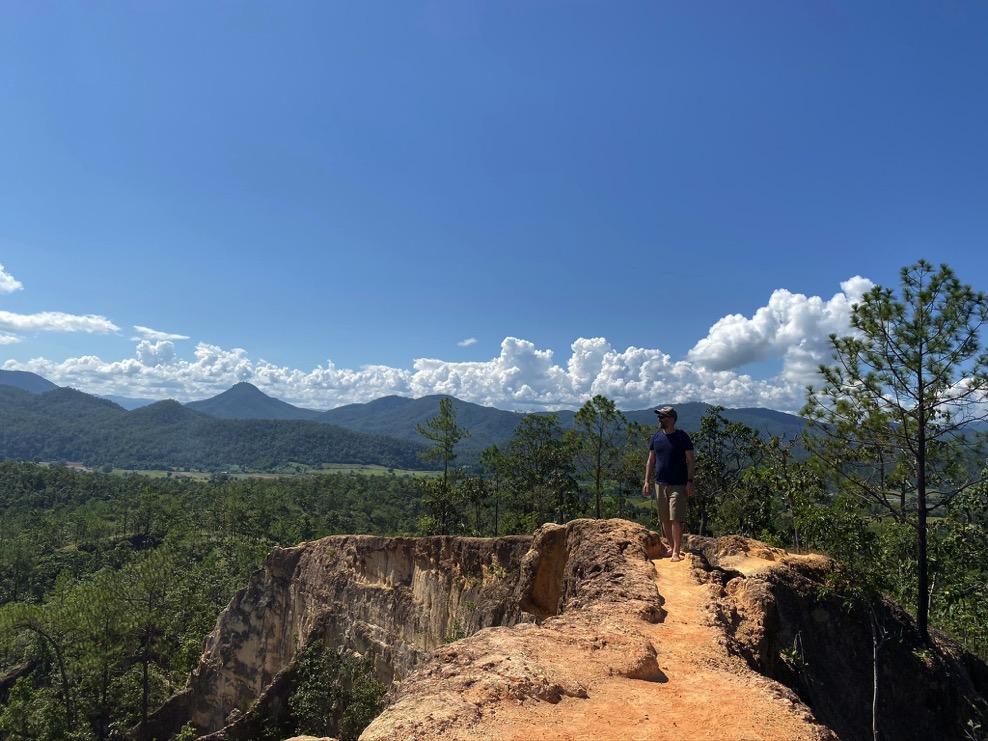
Photo 1: South of Pai (weekend trip)
Had a great second week in Chiang Mai. Have had the opportunity to work with three attendings, Drs. Adisak, Zhang, and Chatree, in both the inpatient and outpatient settings. Mornings have been either inpatient rounding or outpatient. Each attending will see up to 20 patients in morning clinic, which averages less than 10 minutes per patient. It’s quite efficient!

Time with Hematology Fellows

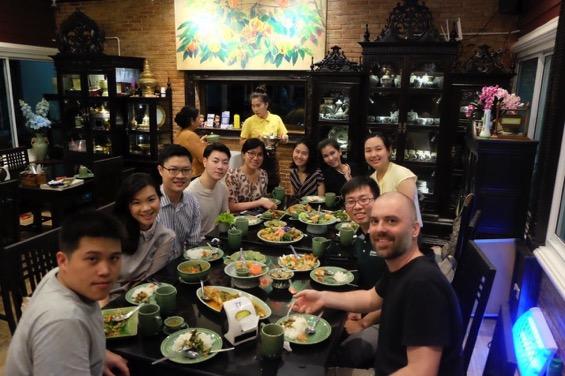
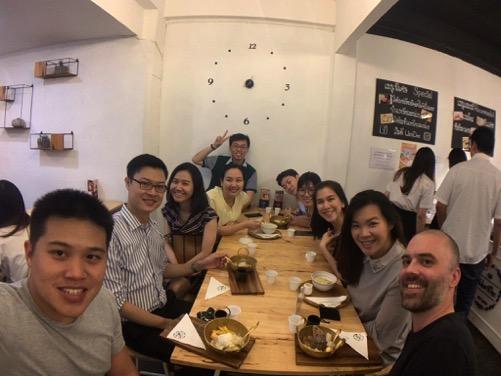
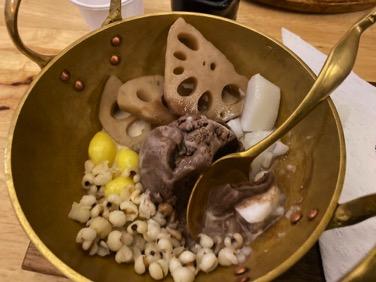
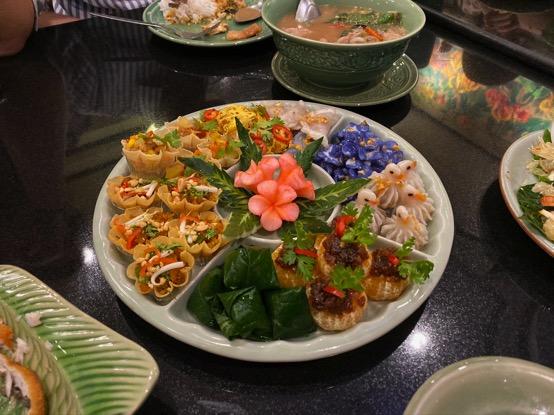
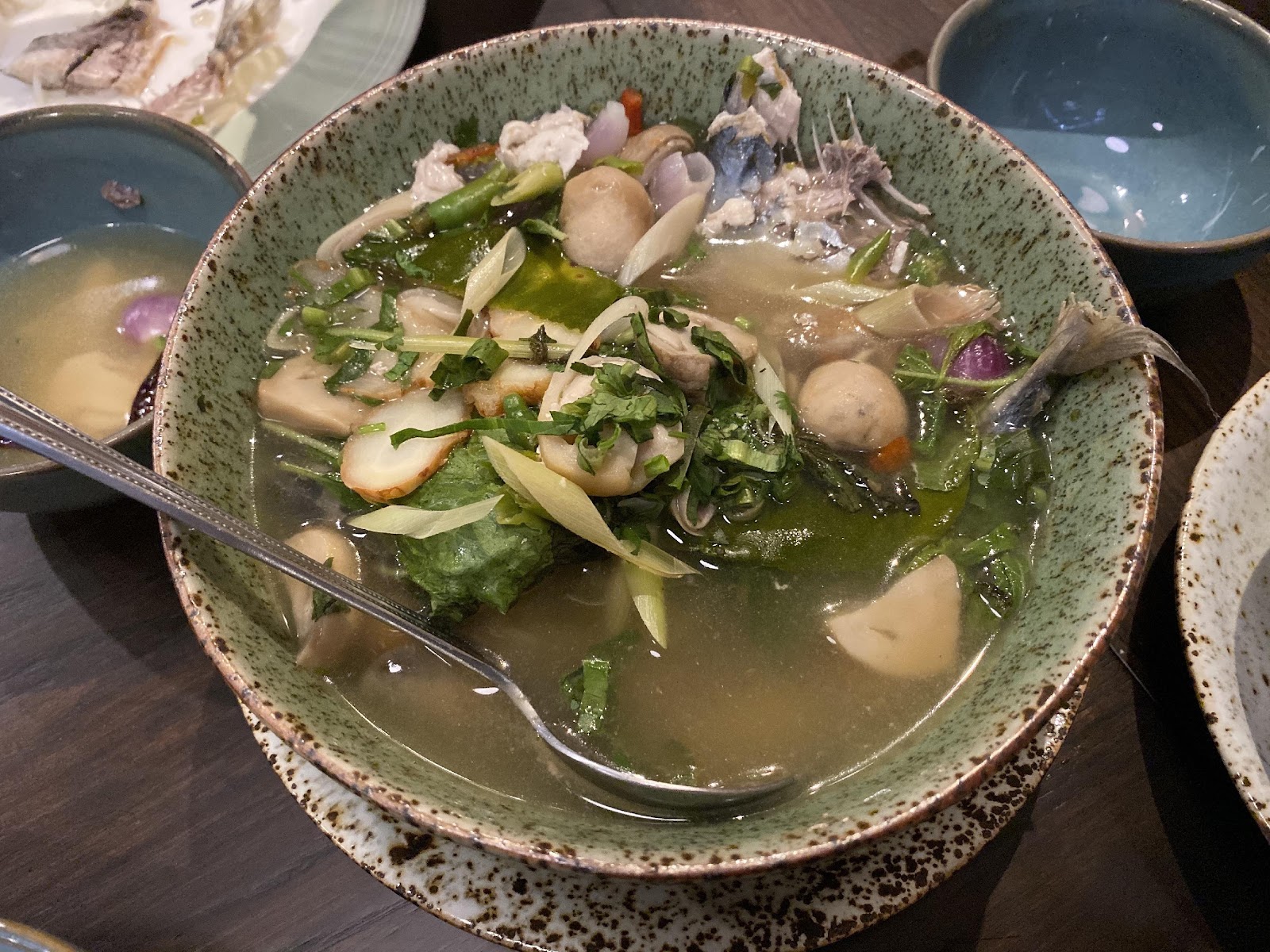
I’ve been to Thailand before, so I knew there would be no problems with making acquaintances and spending time with people. The hematology fellows took me out to some great restaurants and exposed me to some Thai dishes I’ve never had before. Have had a great time with them!


Weekend Trip

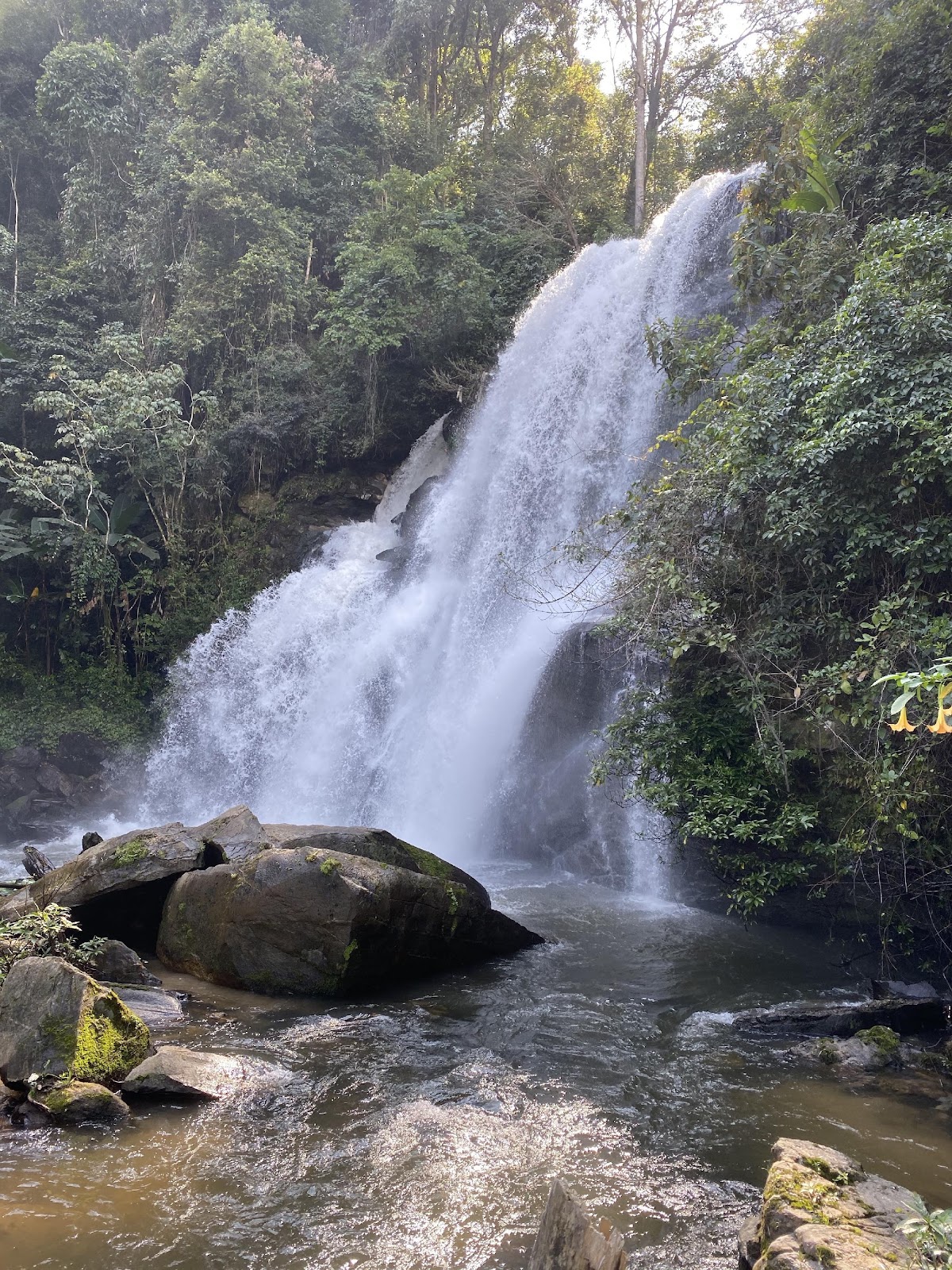
Made a weekend trip to Pai, which was spectacular. Did an 8 mile out and back hike to a waterfall, some light rock climbing, and hot springs. Just now back to Chiang Mai from this trip in fact!


Otherwise, besides all the above, I’m doing my best to learn some Thai. Haven’t enrolled in courses but am using apps, Youtube videos, and I take recordings from Thai people during the day.

‘Wadee khrup!

-Blair

Blair's 1st week update - Thailand

Blair Edmiston's Week 1 Update from Chiang Mai, Thailand

Has been a good first week in Chiang Mai. I came off of working ICU nights at Regions, finishing my last shift Monday morning and flying out around 4pm that afternoon, long layover in San Francisco, and arriving in Chiang Mai at 10:30 am on Wednesday. That day I spent getting situation in my apartment, going up the Doi Suthep, and Wat Chedi Luang.

First Tom Yum
Doi Suthep
View from apartment

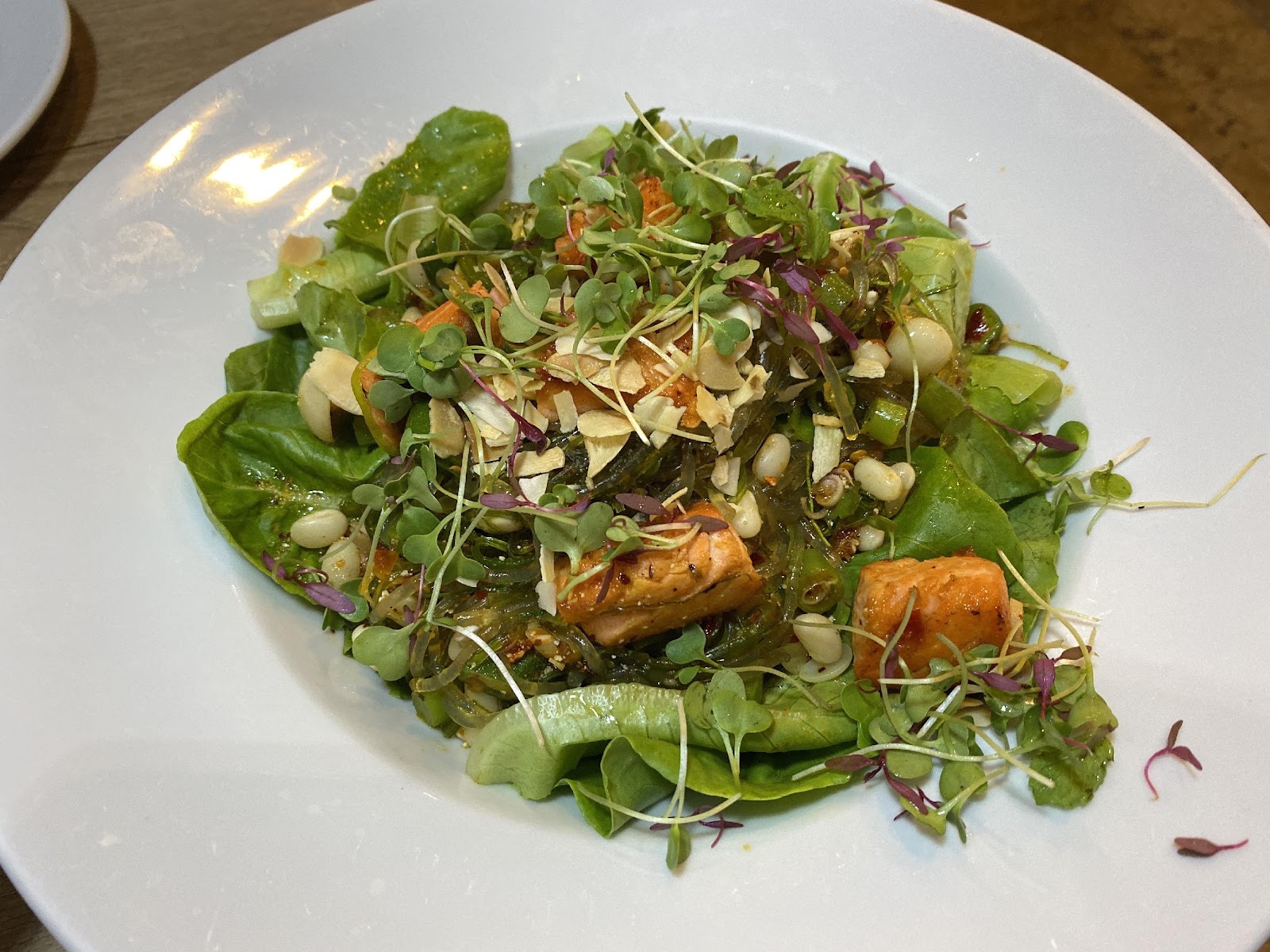
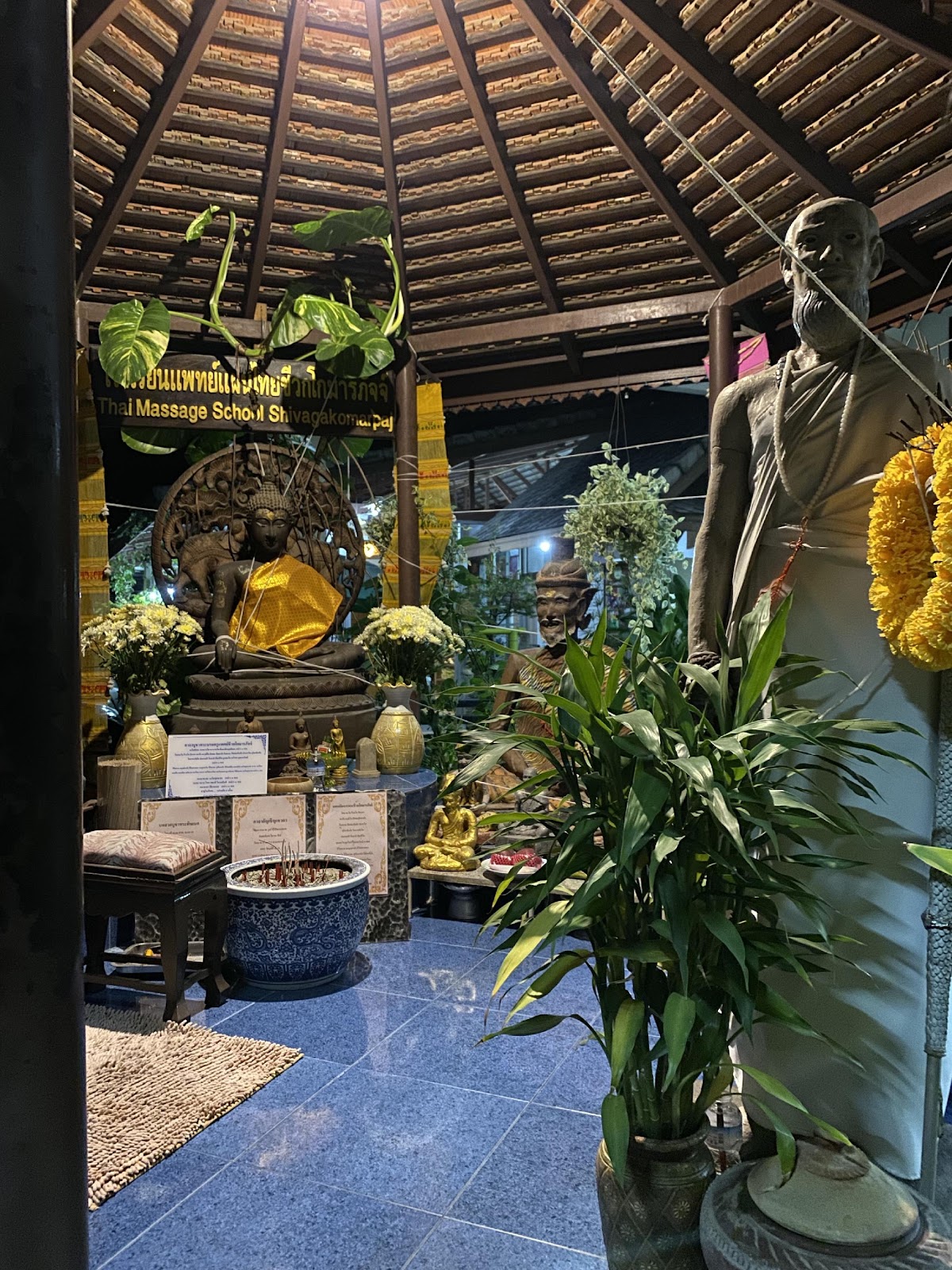
On my second day, I met Dr Quan at Chiang Mai University and she connected me with hem/onc fellows, and then with Dr Adisak. He saw quite a few patients that morning, and that afternoon  there were letters. In the evening I found a restaurant specializing in organic salads/smoothies called Ohkhaju (I think they have a branch in Bangkok as well). Highly recommended! After that, I walked to the Thai Massage school Shivagakomarpaj for a 1.5 hour Thai Massage, which my legs needed after the long flight.

Chiang Mai University Hospital
Exceptionally good smoothies at Ohkhaju
Salad at Okhaju
Shivagakomarpaj Massage School (near Okhaju)

Day 3 (Friday)
Rounded with Dr. Zhang and did consults where we reviewed blood smears, again with lectures in the evening covering three topics - CLL, coagulation lab testing, eosinophilia. 
Reviewing blood smears with Dr Zhang
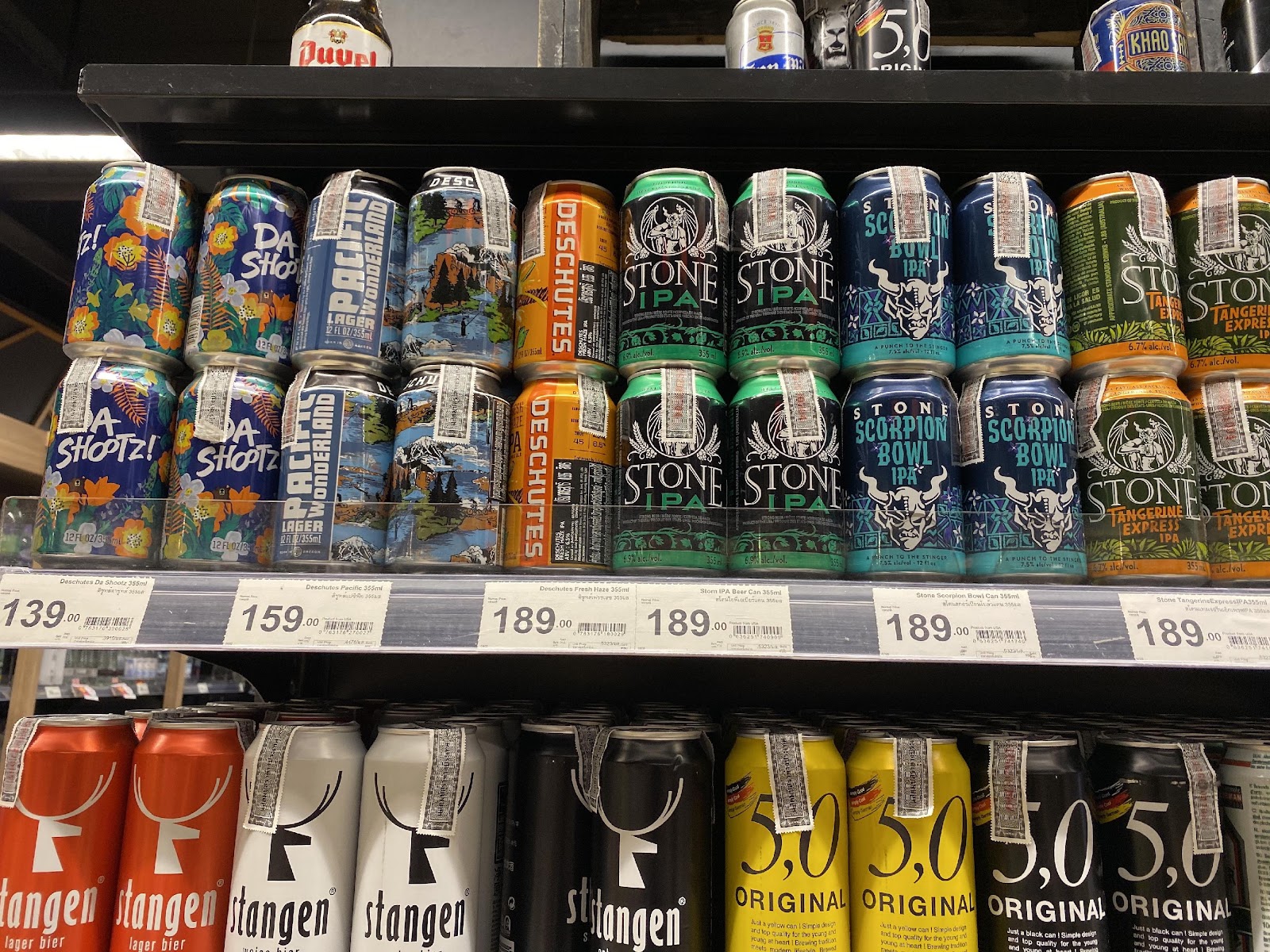
Grocery shopping, horrified by the cost of imported IPAs

Weekend!
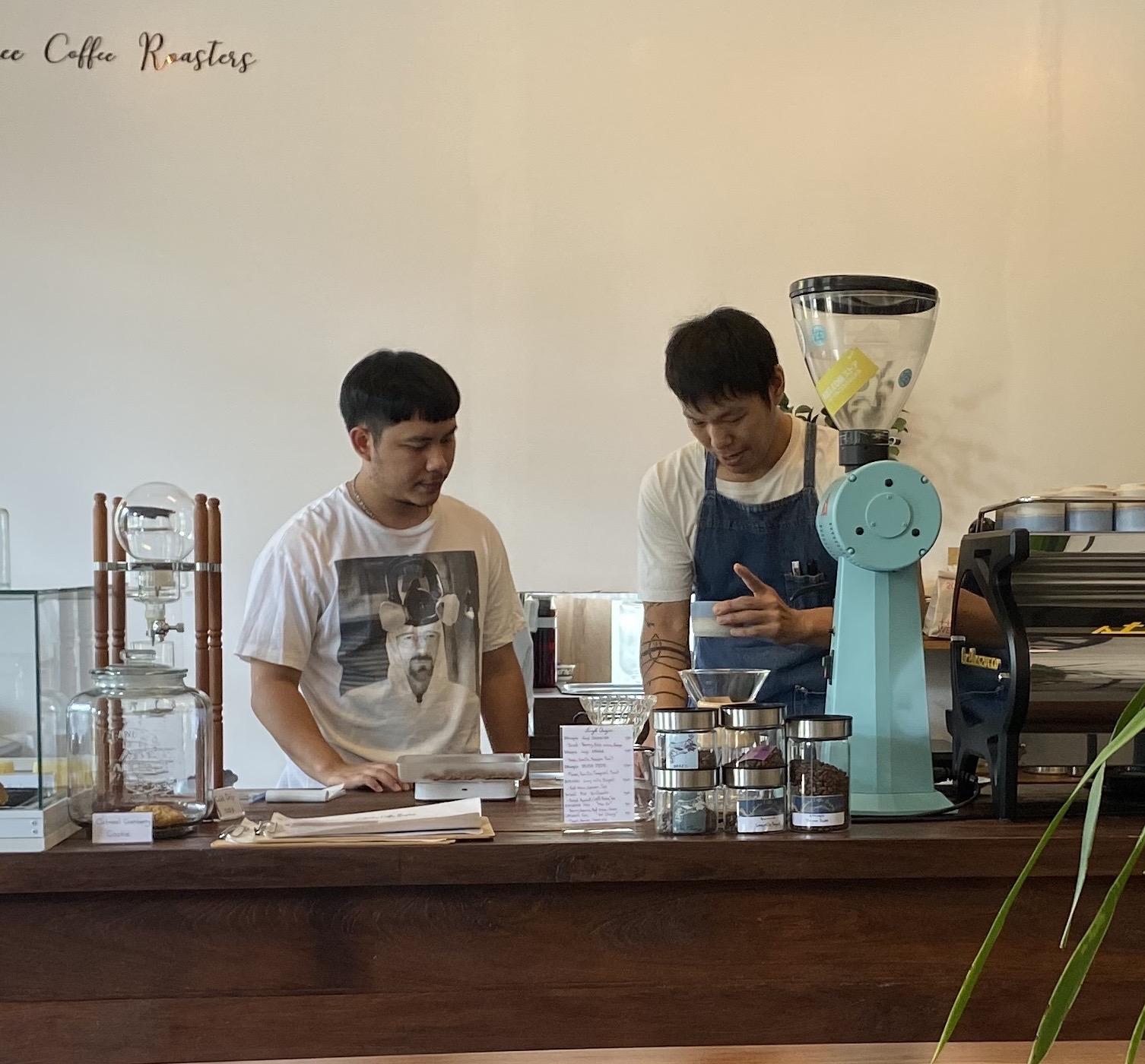
Had some incredibly good coffee to start the day, went to Doi Inthanon National Park, then Saturday Night Market. Sunday, rested at home, did some reading, cleaning, organizing. Then made an afternoon trip toe a temple, Was Phraphutthabat Si Roi (gorgeous drive out)

Starting the day with with some fancy coffee
Top of Doi Inthanon
Inside the temple
Snake during hike. Poisonous? Don’t know, not getting close
Waterfall on trail
Waterfall number 2 on trail
Phraphutthabat Si Roi 

On drive to Phraphutthabat Si Roi

Wednesday, May 8, 2019

Chiang Mai, Thailand Rotation

Sigrid Collier, a medicine-dermatology PGY5 resident at the U of MN, recently traveled to Chiang Mai, Thailand - here is a snapshot from her experience!

Day 3, Thursday April 11
    The experience has been amazing so far. The attending and residents are super helpful in explaining what is going on! I have seen more variants of lupus in the last 48 hours than in my entire residency. Yesterday they let me take their pathology quiz from two weeks ago, and it was amazingly helpful in reinforcing my pathology learning. It was also very challenging. There was a histopathology case of penicilliosis, which looks a lot like leishmaniasis or histoplasmosis! 
     It is interesting in contrast to my time in Tanzania where there is no access to dermatopathology and very limited access to systemic medications. Here they try to reduce costs by using medications like cyclosporine, acitrein, methotrexate, and azathioprine, but they still have access to anti-TNF (etanercept, infliximab, and one patient today on golimumab) as well as ustekinumab (Anti IL-12/23) and secukinumab (Anti IL-17). 
     I am amazed at how much they know about medications that they do not use frequently. The attending’s knowledge is very up to date on the newest medications coming out for psoriasis (anti- IL 23, guselkumab, tildrakizumab, and risankizumab) and atopic dermatitis (anti IL-31, nemolizumab). 
     I have also learned several new things, such as the association between pustular psoriasis and anti-IL 37 receptor mutations. I learned about adult onset immunodeficiency with anti-interferon-gamma antibodies. This is associated with neutrophilic dermatoses (such as AGEP-like reaction and sweet’s like reaction). Today we also discussed the association between pemphigus foliaceous, thymoma, and myasthenia gravis (Something that I don’t recall learning, and couldn’t find in Bolognia, but is definitely reported in the literature).
    Overall this has been an amazing experience so far. I will say that I am always worried that I am violating some cultural norm without realizing it. I often notice that my voice is just (accidentally) a little louder than those around me, and my movements are a little more abrupt and less confined and careful. I am often probably bowing at the wrong times and in the wrong way, but I am sure I will learn over the next month. 


Thursday, February 28, 2019

Tanzania a month in has been full of life. The rainy season is approaching and everything is extremely green. This month has been full of exciting clinical medicine along with some fun weekend trips. 
The most exciting one has been my safari last month. One of the highlights of it was the Ngorongoro Crater which is a large volcanic caldera that is home to hundreds and thousands of animals. From herds of zebra, buffalo, wildebeest, to multiple prides of lions, and uncountable hippos and giraffes! We even spotted a few rare rhinos. The crater is a unique habitat such that predator and prey  reside in surprising close proximity to each other. Since there is an abundance of water and grazing land, the prey has no desire to leave and thus neither does the predator. The species of predator, such as lions, have been so stagnant that the amount of interbreeding is causing weakness in the lions genetic structure. It was a fascinating and exhilarating place that is a great treasure!
Simba all grown up
                                                                       
The Ngorongoro Crater from the rim
 

Tuesday, January 29, 2019

Hello from Arusha! I have finished my first 10 days into my second attempt here and so far I am anatomically intact. Mentally, however, it has been a whirlwind. My days begin with a beautiful 3.5 mile walk from my village of Il Boru to Selian Hospital. The walk itself summarizes life at the hospital such that I am able to see the wide economic divide first hand. From the playful smiles of poor young kids in tattered uniforms walking to school yelling muzungu (foreigner) and asking for fist bumps to the Land Rovers that careen by spraying dust over us, it is quite the experience. 

The days at Selian are generally similar to the structure of US internal medicine wards. We conduct rounds with two medical interns, one registrar (someone who has finished intern year and is working as a staff), and the nursing staff. The key difference lies at the end of every patient interaction when the medical team's plan to order tests and medications needs to be conveyed to the patient and their family. The difference in that conversation between the US and Selian lays plain the inability of the family to afford basic diagnostics that are taken for granted in the US (such as a urinalysis or a chest xray). This is somewhat complicated by an intermittent lack of resources at Selian to perform these diagnostics. 

Such difficulties make the practice of medicine very challenging and sometimes frustrating and this is evident among the interns and the rest of the medical team. However, the reliance on history, exam, and most importantly local epidemiological data make the practice both exciting and educational.
Selian Hospital is a major safety net for the Masai population and the poor around Arusha and the medical team truly cares about the patients and I am lucky to be here working with and learning from them!

A hungry baby goat on the walk to the hospital

Selian hospital

Saturday, January 5, 2019

We Belong to Each Other

“If we have no peace, it is because we have forgotten that we belong to each other.” - Mother Teresa

I have spent a lot of time over the last few months learning about palliative care in global health. One of the projects I am working on this year is to create an online course in palliative care and medical ethics from a global health perspective for the residents and fellows here in Chiang Mai. I will admit that I knew very little about global health aspects of palliative care when I started, and even less about building a website! But now after immersing myself in this topic for a few months, I feel like I have a better understanding of what it takes to build a successful and sustainable palliative care system. If I had to summarize the most important component of a successful system in a single word it would be: community

The quote above comes from Mother Teresa, who might be considered one of the very first advocates of palliative care in global health. She was famous for her personal and organizational outreach to patients dying of diseases that carried great social stigma (HIV/AIDs, leprosy, TB) at the time. Instead of retreating from these patients, she reached out her hands to touch, her ears to listen and her heart to love them as best she could. In doing so, she resisted the strong currents of an increasingly modern society which preached a gospel of individualism, capitalism and distraction rather than service, compassion and presence.

Unfortunately, many healthcare systems around the world are based on individualism and capitalism. This can lead to a variety of problems when it comes to the equitable delivery of healthcare, but perhaps even more importantly, it obscures the truth of our interconnectedness as human beings and the incredible power of community. In the “Public Health Strategy for Palliative Care” promoted by the WHO there are four aspects to palliative care development: (1) policy (2) drug availability (3) education and (4) multi-level implementation. The model is visualized as a pyramid with community care as the base and with primary palliative care (all healthcare professionals) and specialized palliative care (palliative care experts) care at the top. 

At the heart of many palliative care initiatives in low and middle income countries are community volunteers. The Neighborhood Network in Palliative Care (NNPC) in Kerala, India is just one example of a successful community-owned program that is run largely by volunteers. Founded in the year 2000, it is based on a philosophy that problems associated with chronic and incurable illness are considered to be “social problems with a medical component”. Community volunteers complete a standardized training program that includes an introduction to palliative care, the role of the community, cancer basics, last hours, and others and use this knowledge in the community to help identify problems and intervene with support from physicians and nurses. 

As of 2014, this program has grown to have more than 15,000 trained community volunteers, 50 physicians and 100 nurses. It is almost entirely community-funded with most neighborhood groups (80%) managing to raise the money needed to deliver care locally through donations and local government support. I think it is important for Westerners to learn about programs like this because in the US people are often set in their ways of viewing healthcare as a commodity (i.e. something that can be bought and sold). But as Mother Teresa and the volunteers in the NNPC and countless other programs demonstrate, it can also be something that is freely given. At the very least, we need to realize that there are different ways of approaching medical care and that it might be beneficial to “think outside the box” (i.e. Western culture) sometimes. 

In order for a palliative care system to be successful, I would argue that it needs to be built around principles of inclusion and connection rather than individualism and consumerism, with the community serving as the foundation. Additionally, we need to improve our ability to conceptualize the end of life as simply another part of the life continuum, not something that is separate and needs to be hidden. I am reminded of a quote which I believe was initially intended for individual people, but I would argue that it also applies to the development of systems and institutions

Watch your thoughts,
For they become words,
Watch your words,
For they become actions,
Watch your actions,
For they become habits,
Watch your habits,
For they become character,
Watch your character,
For it becomes your destiny.”  

Resources:

Sternsward J, Foley KM, Ferris FD. The Public Health Strategy for Palliative Care. Journal of Pain and Symptom Management (2007). 33(5): 486-494.

Kumar S, Numpeli M. Neighborhood network in palliative care. Indian Journal of Palliative Care (2005). 11(1): 6-9.

*Movie about Kerala program: https://www.youtube.com/watch?v=JBYS3h2EEg8

Photos: Around Chiang Mai

The Ping River at dusk (east of the Old City).

The city was decorated in lanterns for Loy Kratong Festival (November). 

Just another smiling life-size statue in Chiang Mai. We need more of these in the US.

Dinner with Thai family medicine residents and visiting resident from HCMC.


Sunday, November 18, 2018

On Blessings and Ceremonies

I arrived slightly late to the VDU (ventilator-dependent unit) one Friday morning in October only to find that the area had been transformed - from hospital ward to makeshift Buddhist temple. The change had occurred in preparation for the celebration of the 1-year anniversary of the VDU. There had been a similar ceremony one year prior when the unit opened, a common occurrence in Thailand where Buddhism is so deeply connected to everyday life. The current ceremony was an opportunity to celebrate the work that had been done in the previous year and to offer blessings to those who had passed through the VDU - patients, families, providers - and those that would pass through in the future. 

The floors of the large VDU lobby were covered in red and yellow wicker mats, at least six or seven consecutive rows, and there was a Buddhist altar and five empty cushions lined up against the wall. The Thai resident I was working with informed me that for an event like this it was important to have an odd number of monks, hence the five cushions. She also pointed out a white thread that was strung around the perimeter of the room near the ceiling. This thread is referred to as “sai sin” and is thought to carry merit and protection. It is used in many Buddhist ceremonies, including weddings and funerals, and is occasionally passed around to everyone in attendance, serving as a physical connection among the people, the monks and the Buddha. 

The ceremony included traditional Buddhist chanting in the ancient Pali language, as well as sprinkling of Holy water by the monks, and offerings of gifts of to the monks. Attendees included the family members of current and former VDU patients, nurses from the VDU and critical care department, and the chair of the critical care department, all of whom participated together in these activities. It was really a beautiful event and something that I found to be quite unexpected in the hospital and of course very different from our daily practices in US hospitals.

One of the things that I enjoy most about palliative care is the holistic approach that it offers to patients. Cicely Saunders, the founder of the modern hospice movement, emphasized the concept of “total pain” which includes physical, emotional, spiritual and social pain. The WHO also defines palliative care as a holistic discipline that includes “impeccable assessment and treatment of pain and other problems, physical, psychosocial and spiritual.” Unfortunately, most physicians focus on physical pain and symptoms because this is the approach they were taught in medical school and residency. But of course there are many types of pain and suffering that medications and procedures cannot fix. 

Technology cannot answer the question of why an otherwise healthy young man is in a terrible motorcycle accident and is now brain dead, or why a mother with three young children develops metastatic cancer. Technology cannot advise you on how to deal with the painful emotions and existential questions that arise in these situations. This requires human connection, deep listening, and for many people, the wisdom and comfort provided by a spiritual or religious tradition. I think this is one of the reasons I really appreciated the ceremony in the VDU that day. It offered something that was comforting, uplifting and impossible to achieve with technology alone. 

I’ve read a number of articles about end of life care in Thailand this year, many of them written by Dr. Scott Stonington, a physician and anthropologist (MD/PhD) who spent a number of years in Thailand doing research in end of life care. In his article titled, “On ethical locations: The good death in Thailand, where ethics sits in places” he describes a discussion that he had with the daughter of a Thai woman who was nearing the end of life. The daughter explained why Thai patients feel that it is better to die at home than in the hospital.

She said, “The hospital is not sacred (saksit). We would make merit (tham bun) and we would put money in her hand and ask for forgiveness (kho khama), but the merit would not get to her as well.” 

Dr. Stonington reflects on her words, and how the highly technological environment of the ICU influences the end of life experience,

We sat together for a moment, and I looked around and saw some of the unsacred in the space around us. The hospital room was an open ward, and half the patients were on mechanical ventilators. The air was sterile and filled with the beeps of machines. Nurses scuffled around with gloves, wheeling blood-pressure check units to the beds of almost corpse-like patients, strapped as modern cyborgs into the life-machines of medical innovation.

I do not want to speak negatively of the impressive technology we now have available to sustain life, but I do want to emphasize the fact that technology is only one aspect of the care that is needed at the end of life. Although I did not take the time to elaborate about the day to day work in the VDU in this post (as it is already getting quite long!), I will mention that the VDU at Suandok Hospital does an excellent job of providing holistic care to patients on long-term ventilators and in the last stages of life. 

I feel grateful that I was able to spend time in the VDU and see this unique approach to care - the warmth and brightness of the VDU contrasted starkly with some of the chronic ventilator-dependent hospitals and nursing homes we have in the US, where patients often seem isolated and lonely. I think key aspects of this were the close involvement of family, the fact that patients were not rushed (many stayed for a month) and the affectionate style of relating to patients that I have noticed among Thai nurses and physicians (it is part of the culture to use kinship terms, e.g. "grandmother", "aunt", "father" when speaking to patients).


I spent a month with first year internal medicine resident "Proud" (nickname) in the ventilator-dependent unit (VDU). 


Proud asked me to sit and take a photo with the fruit plate shortly after I arrived. These little fruits are actually a special This dessert made of egg yolk and sugar (อร่อยมาก).


Pouring Holy water (blessed by monks, I think?) at VDU ceremony. 


Candles and incense at Wat Phra Singh, a famous temple in the Old City.


Elephant (ช้าง) at Wat Phra Singh.

Two weeks in

*disclaimer* This was written a few days ago and now being posted!   Mambo from Arusha! It has been two weeks into our four month long stay...